Does Nano Engraving Fade Over Time?

Table of Contents
- Does Nano Engraving Fade Over Time?
- Is Laser Engraving Permanent on Jewelry
- The Difference Between Fading and Oxidation
- Nano Engraved Bible Verse Jewelry Durability
- Material-Specific Durability: What Lasts Longest
- How to Clean Nano Engraved Jewelry
- Protecting Your Engraving From Environmental Damage
- Conclusion
Last Updated: August 19, 2026
Does Nano Engraving Fade Over Time?
Nano engraving doesn't fade in the traditional sense, but it can appear to fade due to oxidation, dust accumulation, and surface discoloration rather than actual material loss. At LodMud, we've worked extensively with nano-engraved jewelry to understand what causes these visual changes and how to prevent them. The short answer: your engraving is permanent, but its appearance requires intentional maintenance.
A fiber laser or CO2 laser removes a microscopic layer of material from your jewelry's surface, creating a recessed mark that contains the engraved text or image. This ablation process is permanent and cannot reverse itself. What changes over time is not the engraving itself, but how clearly you can see it due to environmental exposure and wear patterns. Understanding the difference between fading and oxidation will help you make informed decisions about which materials best suit your lifestyle.
Is Laser Engraving Permanent on Jewelry?
Yes, laser engraving is permanent. The process uses focused laser energy to ablate (vaporize) a precise layer of material from your jewelry's surface. Once that material is removed, it cannot return. This is fundamentally different from surface coatings or prints that can wear away.
The permanence depends entirely on the material substrate. Stainless steel, anodized aluminum, and precious metals like gold and silver all retain engraved marks indefinitely because the laser creates a physical change in the material itself. The engraved depth, typically 0.1 to 0.3 millimeters for nano work, ensures the mark survives decades of daily wear.
What does change is visibility. A nano-engraved Bible verse on your jewelry will remain engraved forever, but oxidation on silver, patina on copper, and surface dust can obscure the visual contrast. This is why many people mistakenly believe their engraving has faded when it's simply harder to read without cleaning.
The Difference Between Fading and Oxidation
Fading implies the engraved mark itself has worn away or lost depth. Oxidation is a chemical process where the metal surface reacts with oxygen and moisture, creating a darkened or discolored layer. This distinction is crucial because it determines whether your engraving is actually degrading or simply obscured.
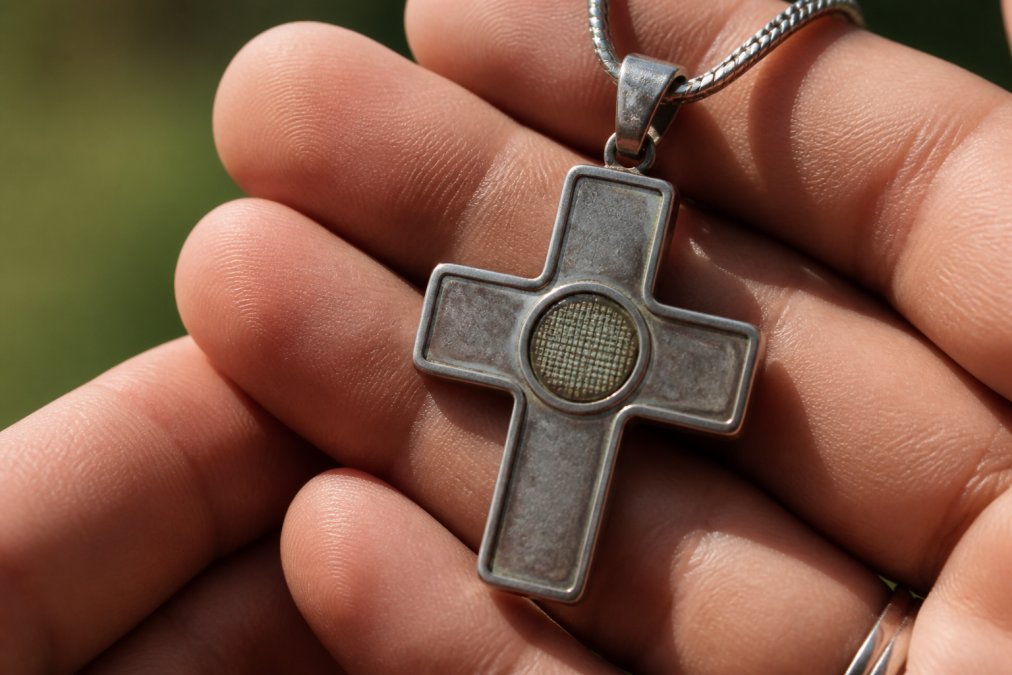
When silver oxidizes, it develops tarnish that settles into the recessed engraved areas, making the text appear darker and harder to read. Many people interpret this darkening as the engraving fading away. In truth, the engraving is as deep and permanent as the day it was created. The tarnish is simply hiding it.
Similarly, anodized aluminum develops a dull appearance over time as the porous anodized layer collects dust, oils, and environmental particulates. The engraved areas, being recessed, trap these particles more readily than flat surfaces. This accumulation creates a visual effect that mimics fading but is entirely reversible with proper cleaning.
Oxidation accelerates with exposure to moisture, salt air, sweat, and chlorine. Stainless steel resists oxidation far better than silver or copper, which is why stainless steel nano-engraved jewelry maintains visual clarity longer with minimal maintenance. If your engraving appears to fade, it's almost certainly oxidation or dust, not actual material loss. A simple cleaning restores the visual contrast and proves the engraving is still there.
Nano Engraved Bible Verse Jewelry Durability
Nano-engraved Bible verse jewelry is designed for daily wear and will maintain its engraved text indefinitely when cared for properly. The durability of your piece depends on three factors: the base metal, the depth of the engraving, and your maintenance routine.
LodMud's nano-engraved pieces, such as the Rose Gold Nano Bible Disc Pendant Necklace, feature engraving depths that exceed typical wear patterns. The microscopic Bible chip contains your chosen verse engraved deep enough to withstand years of contact with skin, clothing, and accidental bumps.


The real durability challenge is maintaining visual clarity. A nano-engraved Bible verse on a silver pendant will remain permanently engraved, but silver tarnishes, especially when exposed to moisture and body chemistry. A gentle cleaning with a soft cloth and mild soap restores full clarity.
For maximum durability with minimal maintenance, consider stainless steel or gold-plated options. Stainless steel resists oxidation naturally, meaning your engraving maintains visual contrast for years without special care. Gold-plating (like the 0.5-micron gold coating on LodMud's Cross Pendant Imperial Pave with Bible Chip) provides a warm aesthetic while offering better oxidation resistance than bare silver. The engraving penetrates through the plating into the base metal, so even if the plating wears over time, your engraved Bible verse remains visible and permanent.
Daily wear, including showering, exercise, and exposure to lotions or perfumes, will not damage your nano-engraved jewelry. The engraved mark is physically part of the metal structure. Soap, water, and skin oils cannot erase it. Occasional cleaning is the only real maintenance required.
Material-Specific Durability: What Lasts Longest
Different metals respond differently to environmental exposure and oxidation. Choosing the right material for your nano-engraved jewelry depends on your lifestyle and how much maintenance you're willing to perform.
Stainless Steel is the most durable choice for daily wear. It resists corrosion naturally due to chromium content, which forms a protective oxide layer that prevents further oxidation. Your nano-engraved Bible verse remains visually clear for years without special care. Stainless steel is ideal if you shower, exercise, or swim regularly while wearing your jewelry. The only drawback is that stainless steel scratches more visibly than softer metals, though these are cosmetic and do not affect the engraving itself.
Silver is beautiful but requires more maintenance. Pure silver and sterling silver oxidize readily, especially in humid environments or when exposed to body chemistry. Within days or weeks of regular wear, a nano-engraved Bible verse on silver will develop tarnish in and around the engraved areas, making the text appear darker and less distinct. This is not fading, it's oxidation, and it's completely reversible. However, if you prefer minimal maintenance, silver may require frequent polishing.
Gold-Plated Metals offer a middle ground. A thin layer of gold (typically 0.5 to 2 microns) is electroplated over a base metal like brass or stainless steel. This gold layer resists oxidation better than silver, so your engraved text remains clear longer. The engraving itself is unaffected because the laser cut through the plating into the underlying metal. LodMud's Gold Nano Bible Heart Pendant Necklace with Crystals uses gold plating over stainless steel, providing both aesthetic appeal and durability.

Solid Gold and Platinum are the most durable precious metals. They oxidize extremely slowly, meaning your nano-engraved Bible verse will maintain visual clarity for decades with minimal care. These metals are also hypoallergenic and suitable for sensitive skin. The trade-off is cost, but the durability justifies the investment for pieces you plan to wear for life.
Anodized Aluminum is lightweight and corrosion-resistant, but the porous anodized layer collects dust and oils readily. Your engraved text may appear dull sooner than on metal options, but cleaning restores clarity completely. Anodized aluminum is ideal for budget-conscious buyers who don't mind occasional maintenance.
Choose a material that matches your lifestyle. If you shower, swim, or exercise daily in your jewelry, stainless steel or solid gold is best. If you prefer silver and don't mind regular polishing, silver is fine. If you want the warmth of gold without the cost, gold-plated options on stainless steel bases offer excellent durability.
How to Clean Nano Engraved Jewelry
Proper cleaning is the most important step in maintaining the appearance of your nano-engraved jewelry. A simple cleaning routine restores visual clarity and removes the oxidation or dust that makes engravings appear to fade.
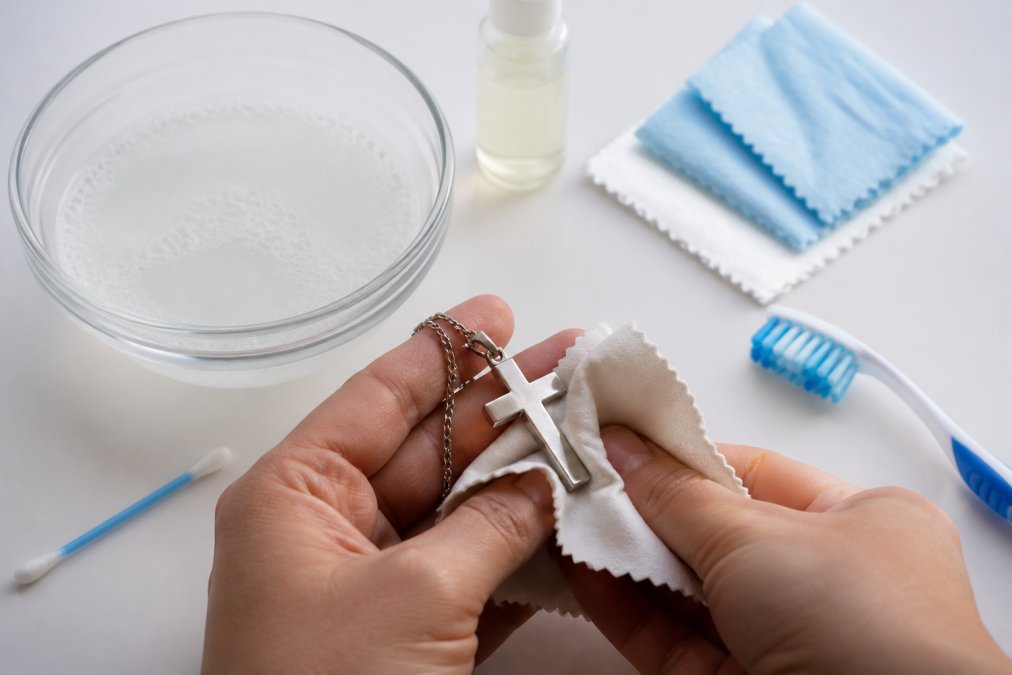
Basic Cleaning Method:
Start with warm water and mild dish soap. Submerge your nano-engraved pendant or bracelet in a small bowl of warm soapy water for 2-3 minutes. Use a soft-bristled toothbrush or microfiber cloth to gently scrub the engraved areas, paying special attention to the recessed text where dust and oxidation accumulate. Rinse thoroughly under running water and pat dry with a soft cloth.
For silver or copper pieces showing visible tarnish, a commercial silver polish designed for jewelry works well. Apply polish sparingly to a soft cloth, rub gently over the engraved areas, and buff clean. Avoid aggressive scrubbing, which can scratch the surface.
What to Avoid:
Never use abrasive cleaners, steel wool, or harsh chemicals on nano-engraved jewelry. Avoid ultrasonic cleaners for pieces with gemstones or delicate settings. Do not wear nano-engraved jewelry while using harsh chemicals such as bleach or pool chlorine. If you swim regularly, remove your jewelry beforehand or rinse it immediately after exposure.
Frequency:
For daily-wear nano-engraved jewelry, clean every 2-4 weeks to maintain visual clarity. Stainless steel pieces may need cleaning only monthly or less frequently. Silver pieces worn daily may need weekly attention, especially in humid climates.
Store your nano-engraved jewelry in a dry place when not wearing it. A jewelry box or soft pouch protects it from dust and reduces oxidation. For extended storage, add silica gel packets to absorb moisture.
Protecting Your Engraving From Environmental Damage
Environmental exposure is the primary factor that affects how your nano-engraved Bible verse jewelry appears over time. While the engraving itself is permanent, protecting it from harsh conditions preserves its visual clarity and reduces maintenance needs.
Moisture and Humidity:
Water and humidity accelerate oxidation, especially on silver and copper. If you wear your nano-engraved jewelry while showering, bathing, or swimming, you're exposing it to constant moisture. The engraving won't wear away, but it will tarnish faster. If your lifestyle includes regular water exposure, stainless steel or gold-plated options are smarter choices than silver. Salt water and chlorine are particularly aggressive and should be avoided. If you do swim, rinse immediately and dry thoroughly.
Sweat and Body Chemistry:
Wearing nano-engraved jewelry during exercise or in hot climates exposes it to sweat, which contains salts and acids that promote oxidation. If you exercise regularly while wearing your jewelry, plan for more frequent cleaning, weekly or bi-weekly rather than monthly. Alternatively, choose stainless steel or gold-plated options that resist sweat-induced oxidation better.
Chemical Exposure:
Lotions, perfumes, hairsprays, and cleaning products can interact with metal surfaces and accelerate oxidation. Apply these products before putting on your nano-engraved jewelry. This simple habit significantly reduces exposure to potentially corrosive substances.
Sunlight and UV Exposure:
Prolonged UV exposure can fade some gemstones and accelerate surface oxidation on certain metals. Store your nano-engraved jewelry away from direct sunlight when not wearing it.
Mechanical Wear:
Avoid wearing nano-engraved pendants while doing yard work, manual labor, or contact sports. Removing jewelry during these activities extends its lifespan and maintains visual clarity.
The key to protecting your nano-engraved Bible verse jewelry is understanding that the engraving itself is permanent and indestructible, but its appearance depends on keeping the surrounding metal clean and free from oxidation. Choose a material suited to your lifestyle, clean regularly, and avoid unnecessary exposure to moisture and harsh chemicals. With these practices, your LodMud nano-engraved piece will remain a clear, permanent reminder of your faith for decades.
Nano engraving is a permanent technology that will outlast your lifetime, but the clarity of your engraved Bible verse depends on intentional care. Whether you choose stainless steel for durability, silver for beauty, or gold for timeless elegance, LodMud's nano-engraved jewelry combines meaningful faith-based content with precision craftsmanship. Our pieces feature deep, durable engravings that resist fading and include free shipping and responsive customer support to ensure your investment is protected. Start with a piece like the Nano Faith Gold Diamond Pendant Necklace and experience how modern technology preserves your faith in a form you can wear every day.
Frequently Asked Questions
Is nano engraving permanent on jewelry?
Yes, nano engraving is permanent in the sense that the text is physically removed from the material surface using laser ablation, creating a permanent mark that cannot be undone. However, the appearance can change over time due to oxidation on metals like stainless steel or anodized aluminum. The engraving itself won't disappear, but surface discoloration may make it less visible without proper cleaning and maintenance.
How long does nano engraved jewelry last?
Nano-engraved jewelry can last indefinitely if properly maintained. The engraving depth and durability depend on material choice and laser power settings used during production. Stainless steel and anodized aluminum offer excellent corrosion resistance, while gold-plated pieces require more careful handling. Regular cleaning and avoiding harsh chemicals will preserve both the engraving contrast and the jewelry's overall appearance for decades.
Can nano-engraved text be damaged by daily exposure to chemicals?
Nano-engraved text itself is resistant to chemical damage since it's a physical mark in the material. However, the surrounding metal can be affected by chemicals in soaps, lotions, and chlorine. Gold-plated finishes are more vulnerable to chemical wear than solid stainless steel or passivated metals. Rinsing your nano-engraved jewelry after exposure to chemicals and drying it thoroughly will prevent discoloration and maintain the contrast of the engraving.
This article was written using GrandRanker